Weight Training with the Right Amount of Intensity
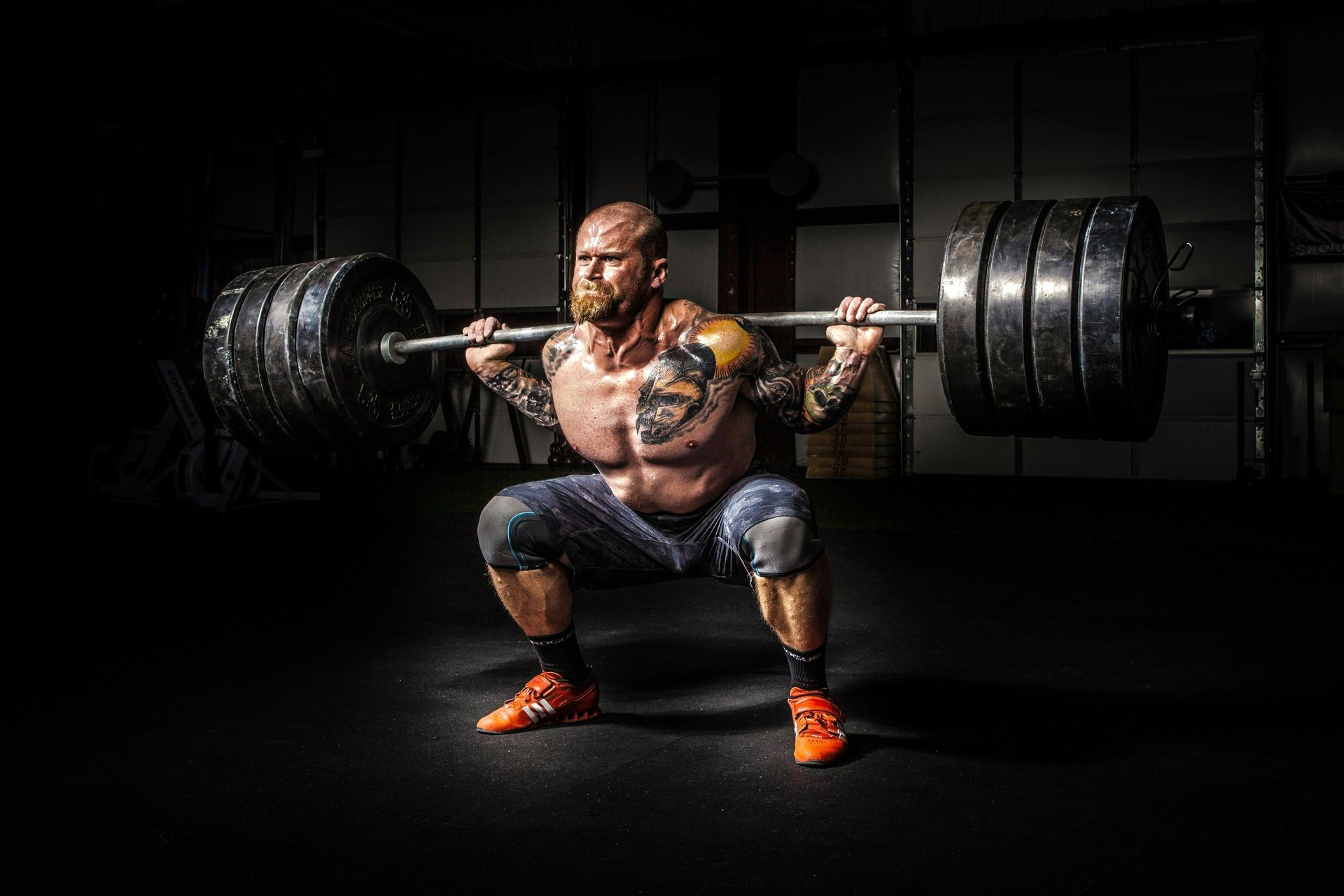
Building strength and muscle requires a cascade of events to be executed at a high enough level for progress to occur. Volume, sleep, exercise selection, diet, recovery, frequency, and intensity are a few variables that go into making progress. A variable that is often over looked and done inappropriately is intensity. Intensity has to be done appropriately, otherwise your body won't be able to adapt to the signals being sent. Before we move into what is the perfect amount of intensity, lets define it and talk about how to measure intensity first.
What Intensity is and How We Measure it
Intensity equates to rate of perceived exertion (RPE). In other words, how much effort you are putting into an exercise or a specific set during that exercise. The recommended way to track RPE is on a 0 - 10 scale. Zero being little effort, ten being maximum effort. Rarely, will you meet someone that actually tracks RPE on a regular basis in a normal gym setting. The typical people to track it are high end performance athletes.
Average gym goers have a subconscious tracking system with intensity. Typically, they will keep a mental note of it in their head while they are working out. As an example, their first set will be a warmup at a lower weight. They won't count this set towards their set total for that exercise and the first set will be about half as much effort as the rest of their sets. This is the typical approach people will take take. This isn't wrong by any means, but how much intensity should you use during normal sets?
The Right Amount of Intensity
The perfect amount of intensity for most people is a 6-8 out of 10 on the RPE scale. The reasoning behind it has to do with recovery, soreness and stress. A consistent RPE above an 8 is typically too much for most people. They won't be able to recover as quickly, they stay sore longer and it makes going to the gym seem like a much bigger hassle. On the other side, an RPE below a 6 is typically too low to illicit a stress response from the body and produce an adaptation. So 6-8 is the sweet spot to be in.
But how can you know you're at a 6-8 RPE every set? Isn't a 0-10 rating subjective? Yes, it can be subjective in rating your perceived exertion. But asking yourself this one specific question or doing this one key step will help put you in that 6-8 range 99% of the time. Am I leaving two reps in reserve every set? That means, stopping your exercise with two perfect reps in reserve. It doesn't mean, stopping after you start to lose control or once you begin to compensate. It means stop abruptly when you have two perfect reps in the tank. This is better said than done, most people will think they aren't doing enough and need to push harder and closer to failure. Failure rarely ever needed to illicit our goals. Implementing and improving intensity will be 90% mental, specifically like knowing when to rack the weights and call that set done.
If this is the first time you're hearing about leaving two reps in the tank, I'd challenge you to do this for one whole month and see how your strength progresses. Don't change any other variable about your workout. Just see how much stronger you can get from doing this alone.
The Uncivilized Perspective