How to recover from jet lag
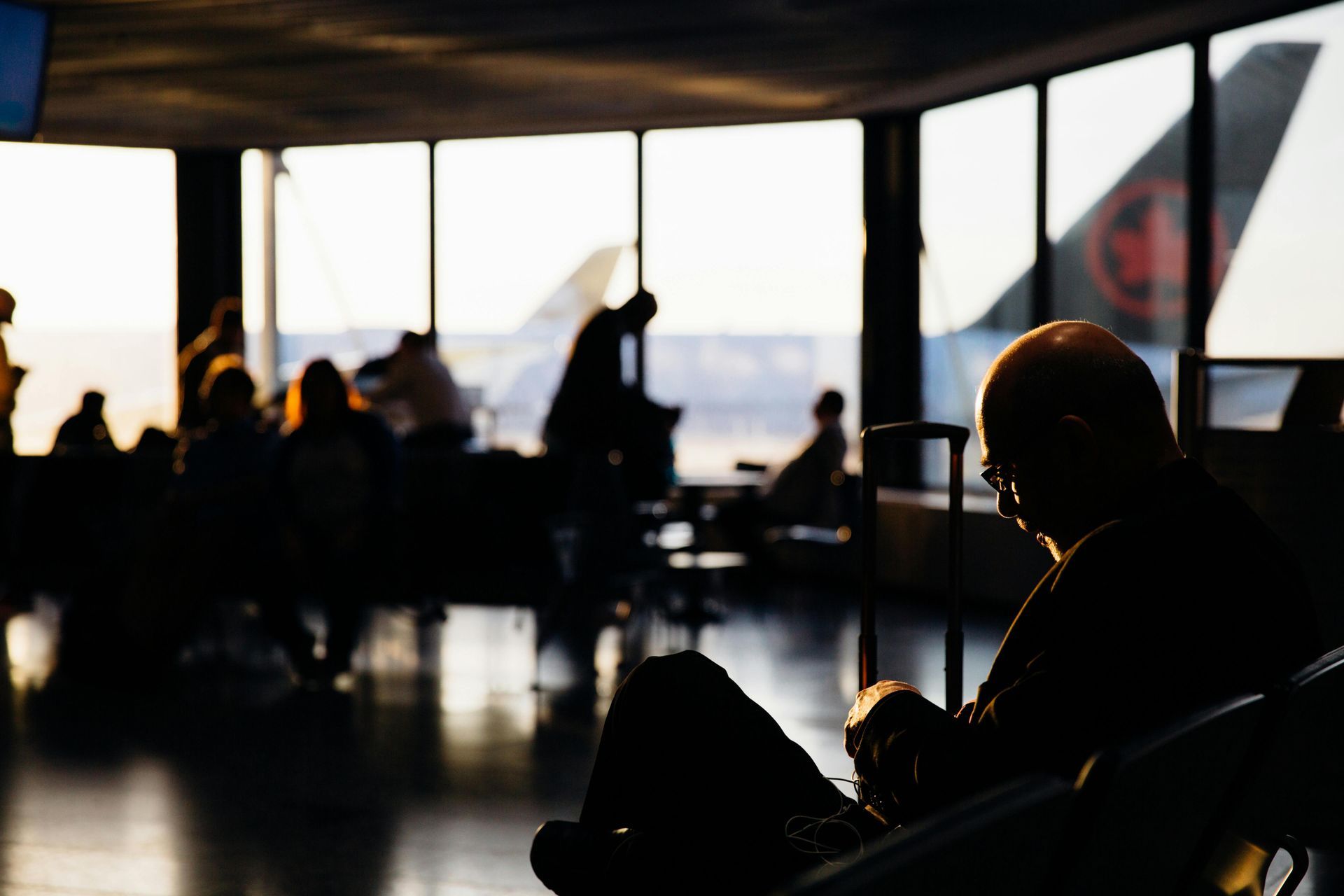
Jet lag is a universal experience that people endure whether they are traveling from LA to NYC or from the United States to France. No matter who it is or how many times they do it, jet lag is with you every time. Jet lag can never be avoided, but it can be minimized and your body clock can adjust to your new time zone quicker. We are going to explore what transitions your clock over and how to minimize the effects of jet lag.
Light
The first and maybe most important sensory input for you body and circadian rhythm is light. Light is vital to the body's normal functions and timing mechanisms throughout the day. So when arriving in a new time zone your goal should be or is to go outside and see the sun and be in the sun as long as possible. This also means not wearing sunglasses and depending on the weather, not wearing large layers of clothing and exposing you skin to as much sun as you can too. Not only is light an input into the eyes, but the skin also absorbs and signals the body to what time of day it is too. If you're going somewhere tropical or warm it shouldn't be an issue to expose more of your skin to the sun.
Light is first and most important input for acclimating to the new time zone. This isn't a one and done either. In order to optimize the switch and switch faster. You must get out into the sun frequently and often. With the morning sun being the focal point of getting out into the sun. Morning sunlight signals to your brain the start of the day. This is synonymous with a cortisol dump to start the day and telling the rest of your body it is morning. This signals food will need to be digested for the next 10 hours, the UV index will be higher soon, temperatures are going to rise, melatonin needs to be suppressed. Nailing that morning sunrise and then sunlight in general will jumpstart your experience in your new time zone.
Food
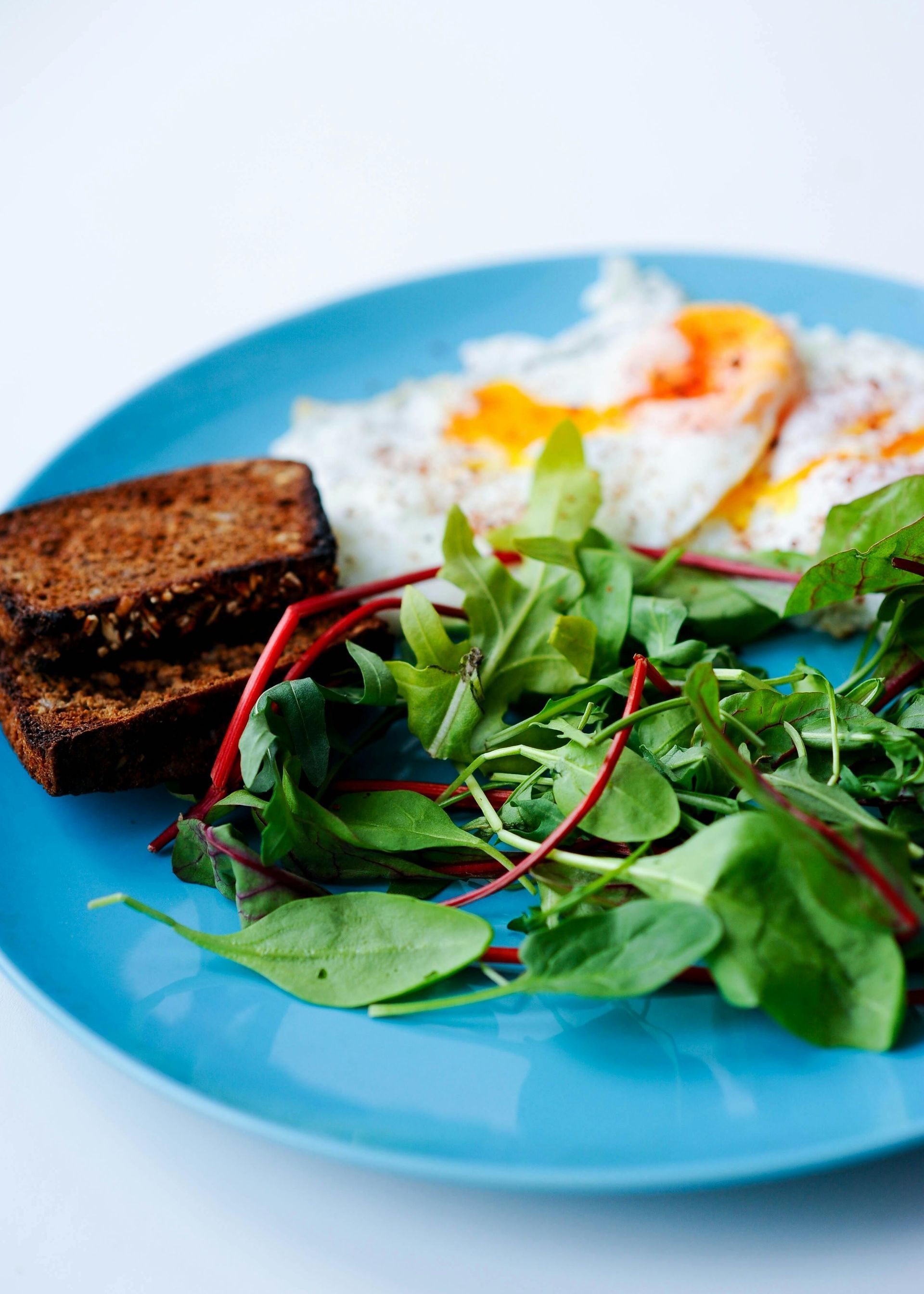
Next on the levels of importance is food. This again is a key input into the body and how it determines the time of day. Food is meant to be consumed only at certain times. It isn't healthy to eat a meal right before bed. The food may not be digested by the time you fall asleep hence leading your body to still digesting it in your sleep. Keeping you from reaching deep sleep and REM sleep effectively. Another ill advice thing would be to eat in the middle of the night. This is so counter to what your body wants to do while sleeping. It wants to stay cool, calm, relaxed. You're feeding it to then start up the digestive process and heat your body up. That's a recipe for a shorter health and life span.
Shifting your eating schedule to your destination time zone will help with this transition. This can start ahead of time too. You don't have to wait to eat on your new time zone until when you get there. You can start on the plane ride over. Or the day before too. A good recommendation I have is the day of travel switch your meals to the new time zone. So if you are traveling west and they are behind in time. Push breakfast back to when you would eat it in your destination time zone. This can also go for caffeine as well. I know that sounds crazy for some people. But if you delay you caffeine to your new time zone, this can help you stay up longer and time your meals to the new time zone.
Bonus Tips
Light and food timing are going to be the most bang for your buck tools to use. However there are a few extras you can try if you have the tools or want more to do. First, is a pair of blue light blocking glasses. Blue light comes naturally from the sun everyday. However it is only prevalent at certain times. Your brain then uses that signal to organize processes in the body and keep the time of day on its internal clocks. Almost every artificial light from lights bulb or screen uses blue light frequency's specifically. So a pair of blue blockers warn at the right time can help switch your body clock over to your new time zone. As an example I flew to Hawaii recently. On the flight back it was all overnight and we lost 5 hours of time. So the plane was my time to sleep. I didn't sleep well per se, but I used the blue blockers to enhance the darkness and filter the unnatural light at night. This in turn helped me sleep just a little bit more and tell my brain it was nighttime. Now I would focus on natural light and food timing first and then throw this in as a cherry on top.
Another tip or trick to try that your body uses naturally is temperature. In the middle of the day is when it is warmest outside and your body is warmest. At night is when the temperature drops and it is coolest. So if you are trying to sleep on the plane, take some layers off and try to cool your body down for sleep. If you are trying to stay awake and simulate the middle of the day, add layers.
Finally, if you really struggle with jet lag and travel semi frequently, this is the only time I would allow a melatonin supplement. I still don't necessarily recommend it, but I can see how it helps if done sparsely and while traveling 4 or more time zones. Bottom line is you will feel jet lag regardless, but these tips should help your transition to the new time zone. They might become more important too if you're on vacation and want to maximize your time and well being in your new time zone.
The Uncivilized Perspective